Why I Started Gardening (And What It Taught Me About Everything Else)
If you’d asked me why I started gardening, I’m not sure I could have given you a clean answer. But it probably starts here — a section of our yard growing up that we called the fernery.
One side of the house, shaded by tall rainforest-style trees, where the light came through in layers and ferns were a common sight. As a kid I didn’t think of it as a garden. It was just where we played — climbing trees, finding new creatures, discovering things. It was exploration and fascination, and I don’t think I understood either of those words for what they were at the time.
My parents were reasonable gardeners, with a vegie patch and decent landscaping at home. Their parents before them, the same. Beyond that, the family spent at least one weekend a month at a small suburban island of forest that had been slowly swallowed by houses — restoring it, pulling weeds, trying to give it back something of what it had been. We went with a committed group of adults who happened to also have kids in tow. Us kids were more interested in exploring, and thankfully had the freedom to follow creeks, explore the forest and get muddy. It was a child’s dream.
Likely all of that left a mark on me without knowing it.
How I managed to kill a cactus (and why I started gardening properly)
My first attempt at keeping a plant alive as an adult was not on par with the fernery.
It was a cactus. In an apartment. And I killed it.
Overwatering, as it turns out, is fairly easy to do to a cactus. It was a gift, and at that point I had no idea what it needed, so instead gave it what I assumed plants needed, and watched it slowly give up. As I’ve learned, doing nothing can be harder that doing something. It didn’t take long to file myself firmly in the plants aretoo hard camp and moved on.
My habit of spending consistently on herbs for cooking is what eventually convinced me to try again. I’d noticed the convenient little pots with plants growing in them for sale in the supermarket, all for a price slightly over the single serves you can buy in the chilled section. At some point the maths pushed me over the edge. It was already in a simple pot, with soil, and as a functional benefit, it would pay itself back inside a month, and then keep giving beyond.
Rosemary was one of the first. It remains, to this day, one of the most forgiving things you can grow in the area I live. Difficult to kill, generous with flavour, and quietly satisfying every time it ends up in a meal at night. I grew it on a balcony in a pot, and thankfully by then I’d learned that some plants don’t like to be over-watered. It didn’t ask for much. It just grew.
Functional gardening on a small scale was the beginning for me.
The terraced townhouse
Gardening properly got under my skin when we bought a tiny terraced townhouse — the first place that was actually ours. Rather cramped inside, but with the huge benefit of having a small yard to enjoy as well.
We converted it into something we were proud of. A small lawn, a paved area, garden beds and a tree for shade. Nothing grand, but it was ours to shape and tend and keep alive without worrying about having to hand it over one day at the end of a rental lease.
That ownership changed something. And now the phrase ‘putting down roots’ makes a lot more sense. For the first time I could plant something and actually watch it grow over months and years, reaping the benefits, rather than leaving it behind when the rental ended. The scale was manageable — which meant the failures were survivable and the wins were satisfying. Some things simply worked, which gave me confidence. Some things didn’t, which taught me to pay attention but also to persevere. Over time I started to understand what different plants actually needed, and that the gap between a thriving garden and a struggling one is mostly just observation and patience and a willingness to try again.
The end result — whether it was something you could eat, or just the quiet of being in a space that felt alive and considered — turned out to be worth every failed attempt to get there.
What I actually grow
I’m not a serious gardener and I want to be honest about that. I haven’t graduated to vegetables yet, which feels like the next frontier — maybe one day, and probably a future post.
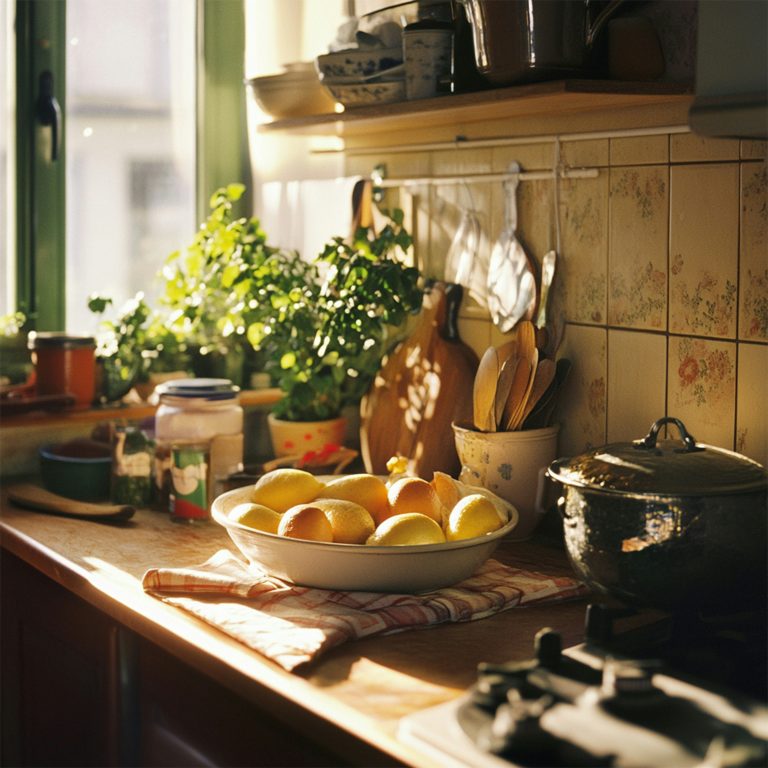
In terms of edible plants, I prioritise herbs because of the cooking — which is probably why the herb garden came before anything else. If you cook, it’s the obvious place to start. Rosemary, thyme, flat-leaf parsley, chives and occasionally basil. I’ve learned to be realistic about choices and things like coriander are hard to keep alive in our climate so I don’t bother (I’m aware half my readers wouldn’t touch it anyway). It’s not as romantic as the herb wall you see on cooking shows, bundles hanging in a sun-drenched kitchen. Mine are outside, in the garden, doing their thing until I need them. Rosemary on a roast lamb. Thyme with chicken. Chives through scrambled eggs. Parsley to freshen up a ragu. Chilli in pretty much anything. We recently moved houses, and so we’re on the path of starting the herb garden again.
The short distance between growing and cooking is quietly satisfying. Going outside before dinner, brushing past the rosemary — that hit of fragrance — cutting what you need, coming back in.
Beyond the herbs, I grow things I simply like the look of.
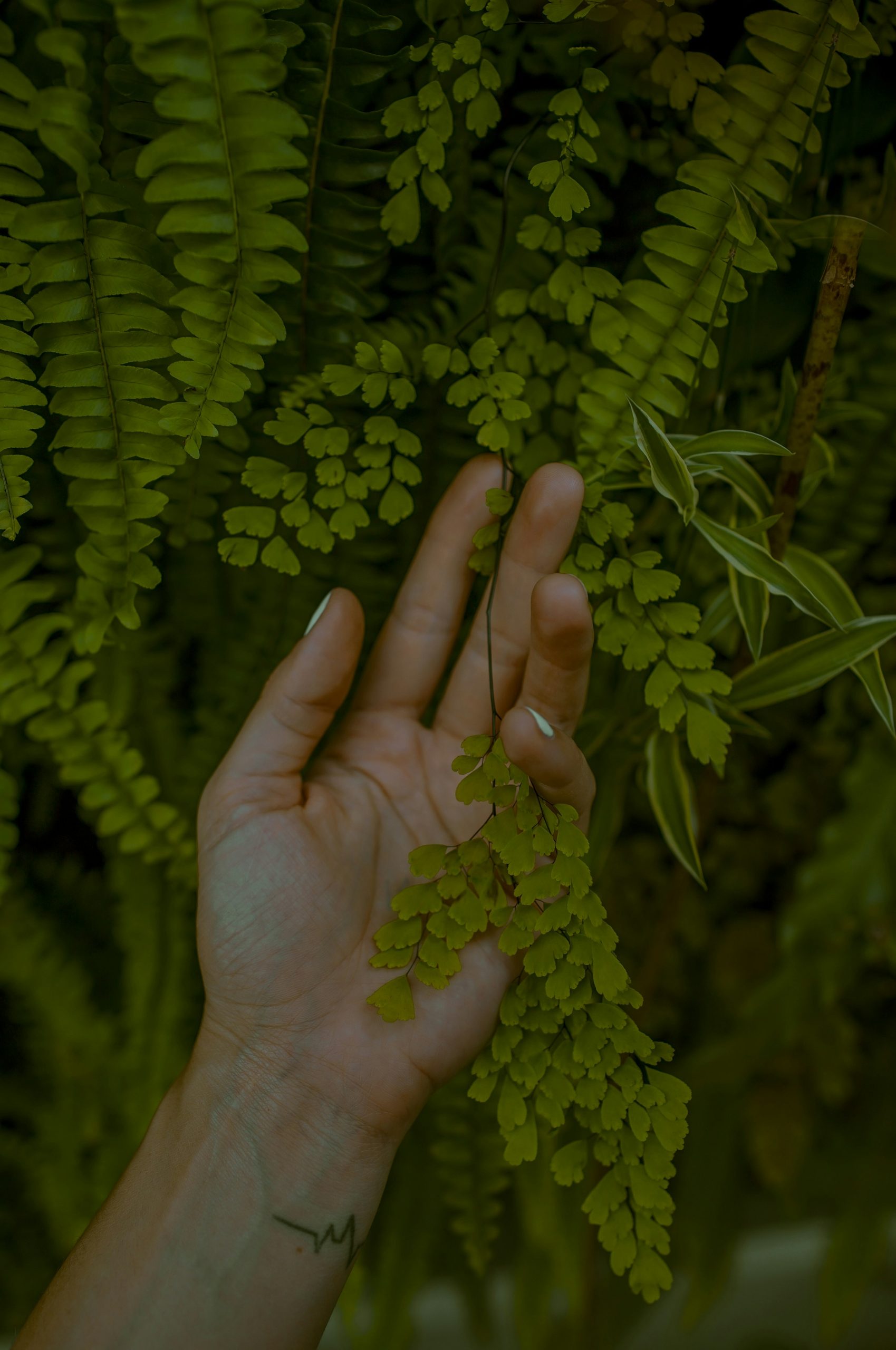
Ferns, especially. I have a weakness for them that probably traces directly back to that childhood fernery — the softness of them, the way a healthy fern makes a space feel cooler and quieter somehow. They come in so many shapes and sizes, from tree ferns (a particular favourite) through to the maidenhair which is so completely different.
The maidenhair fern is delicate, demanding, and occasionally maddening. Difficult to keep thriving indoors, prone to dying if it doesn’t get exactly the right conditions. And yet — if you leave them to their own devices in a shaded part of the yard, they’ll often appear by themselves, seeded from nothing, and thrive in a way the carefully tended ones never quite manage. They seem to do best when they decide to grow rather than when you decide for them. There’s something almost stubbornly childlike about that.
A garden with ferns in it feels like a different kind of place to me. That’s enough reason.
The patience thing
Here’s what gardening taught me that I genuinely didn’t expect: patience is a skill. And like any skill, it can be practised.
We live in a culture that has quietly trained us out of waiting. Same-day delivery. Instant streaming. Feedback loops measured in seconds. Sitting with something that takes time — real time, weeks and months and seasons — has started to feel almost countercultural.
Gardening has almost no rapid feedback loops. You plant something and wait. You water and wait. You prune and wait. The results arrive slowly, when they arrive at all, and they’re often modest even then.
This can be so frustrating at first. Then, slowly, it may end up being genuinely calming. Of course with a little frustration thrown in here and there.
The lesson — that good things take time, that small consistent actions accumulate into things that couldn’t exist any other way — has spread well beyond the garden. It’s the same logic as compound interest. As building a habit. As anything worth doing that can’t be rushed. And maybe it’s also just something more fundamental — that humans are wired for green things and open air and the particular quiet that comes from being outside. That we’ve built lives so full of screens and indoor noise that a garden feels restorative almost by default.
When things don’t work — which they won’t, sometimes, often — that’s information rather than verdict. The coriander died again. You adjust, you try again, you don’t take it personally. That relationship with failure, being curious rather than catastrophising, is one of the more useful things gardening has quietly handed me.
Where to start
Well you could go all in of course with a full yard redo or a collection of indoor plants for a full redesign. BUT, you may end up disappointed either through the time commitment or perhaps, not all of them make it through. I’d recommend just one plant. Personally I would start with something you’d actually use — a herb you cook with, so it earns its place immediately.
Put it somewhere you’ll see every day. Don’t get carried away down at the local garden shop and spend more than you should. Don’t build a raised bed before you know if you’ll stick with it. Just start with the one thing and keep it alive. Learn from my mistakes and look up the kind of care it requires.
The rest grows from there. Slowly, which is the point.
And make sure at least one thing you grow is something you simply like looking at. A plant that makes you stop for a second when you pass it. A fern in a corner that makes the room feel more alive. Functional benefits from having plants inside your home are highly researched. Outside of simply looking good, they reward owners with amazing outcomes.
What it looks like now
A six-month-old has a way of reorganising your priorities without asking. The garden has seen less of me lately than either of us would like.
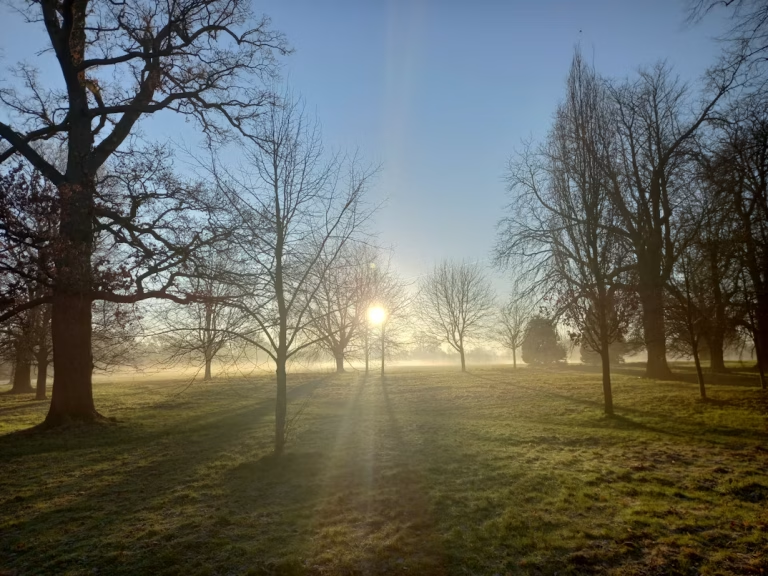
At first I found that harder than I expected. I hadn’t realised how much being outside had become part of my rhythm until it wasn’t there in the same way. The particular quiet of an early morning in the garden — dew still on the grass, that clean sparkle before the day gets going, the smell of the lawn after a mow — it’s a specific kind of reset that nothing else quite replicates.
But something else has started happening in the time I do get out there. My daughter comes with me. And watching a small person encounter a leaf — properly, for what might be the first time — is a different kind of experience entirely. Seeing the wonder in her eyes as she grasps grass in her small hands.
I grew up in a yard shaped by people who cared about it. A fernery on the side of the house. Weekends in the bush. The expectation that outside was somewhere worth being.
I know now that I want the same for her.
This particular season means less time out there than I’d like. But when I do get out, it means something it didn’t quite mean before.
A living, contributing garden that gives back in more ways than one.
Want to follow along?
One email every week or two on living better. No noise, no fluff.